ERP is dead, long live ERP
The monolithic ERP is finished, even though ERP itself is not. I explain why accounting-first systems break under the speed and volume of shop floor data, and how ERP fits as one node in a distributed ecosystem built on a Unified Namespace.
The title looks like a contradiction. It is not.
The era when ERP was the central brain of the factory is ending. The monolithic ERP is over. But ERP as a tool for specific, essential tasks has a clear future, in a different role.
Why the traditional ERP model is reaching its limits
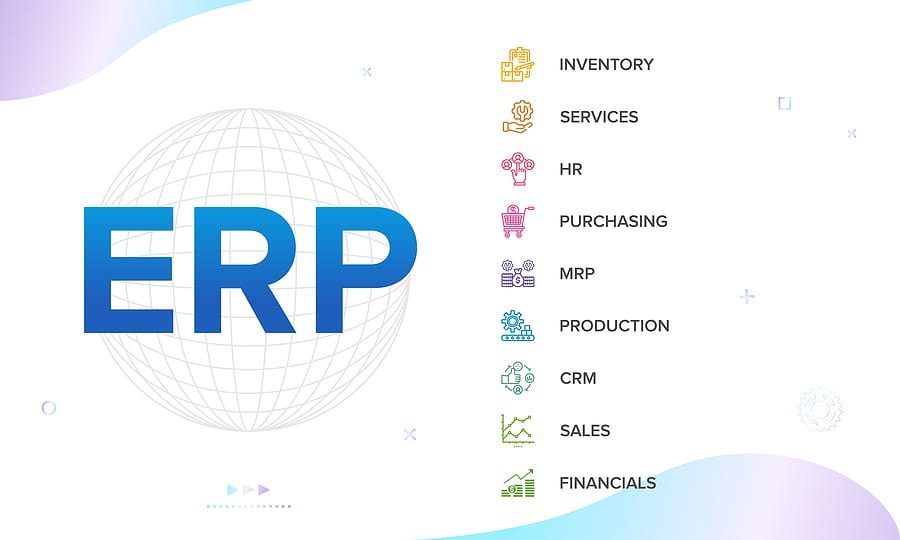
ERP's strength in the 90s was pulling core processes into one system. It brought structure. A huge step forward.
But remember where ERP comes from. It grew out of accounting and administration, built to give management an overview of finances and resources, not to control the shop floor.
So these systems are designed for transactional work: the slow, sequential recording of administrative actions.
The modern factory runs differently. It runs on dynamics and real-time data:
I wrote about this before:
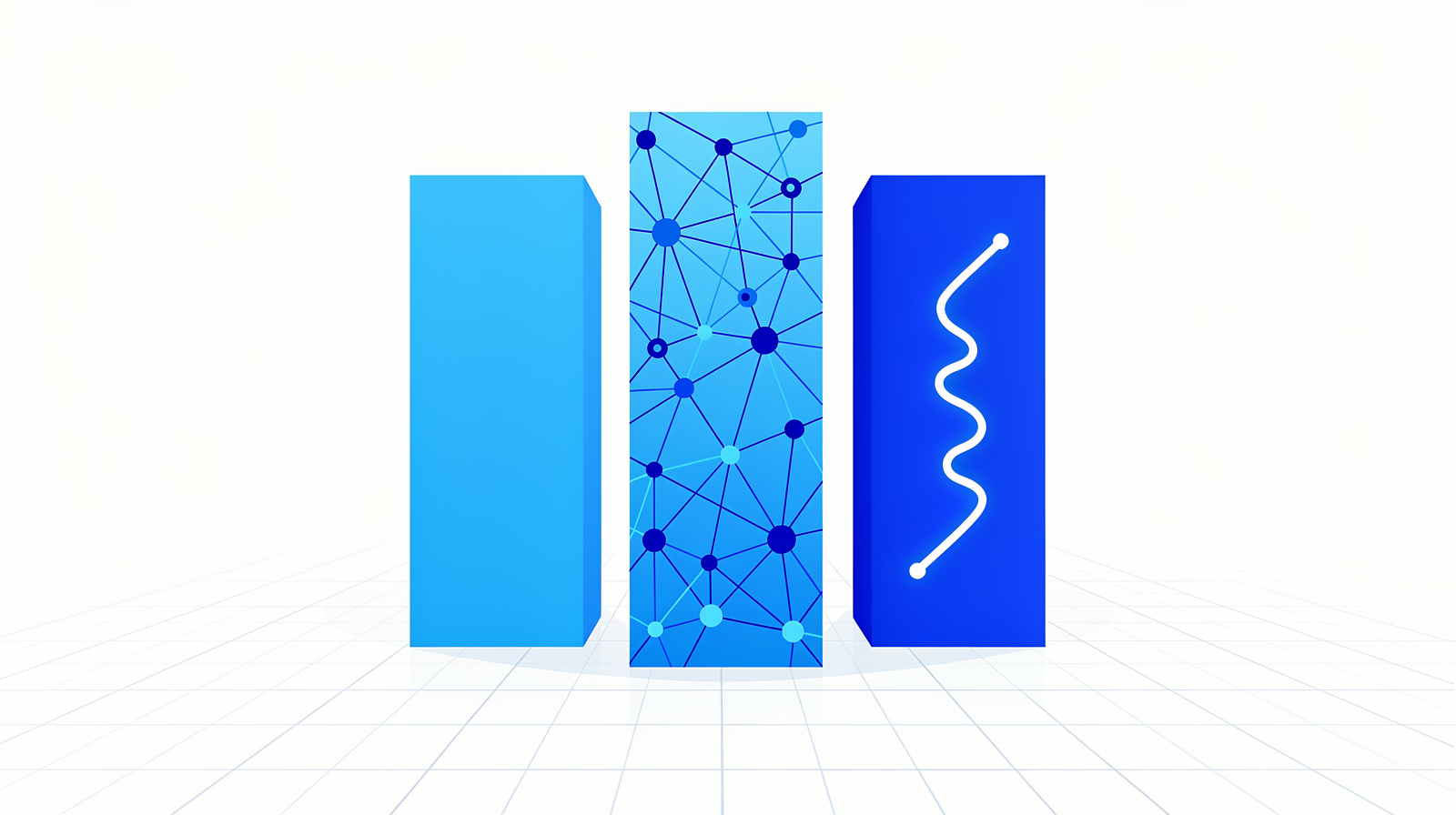
- Continuous streams of machine data.
- Parallel, event-driven processes.
- Fast, data-driven decisions on the shop floor.
That is where the friction starts. ERP is rooted in reporting, so its architecture was never built for the speed, volume, and variety of shop floor data.
Managing bills of materials and processing orders still works. But the operational data you need for real optimisation stays out of ERP's reach.
You know the pattern. Implementation, frustration, workarounds in Excel, then a tangled IT landscape that blocks innovation instead of enabling it.
The growing need: data beyond the factory walls
Today's challenges reach past internal efficiency. To stay competitive you have to work the Industry 4.0 way, and that means treating data differently:
- Smart feedback loops. Use the constant stream of production data (times, quality, machine events, energy) to analyse and improve, and share those insights fast so people can act.
- Supply chain collaboration. Share the right data (orders, inventory, capacity, quality) securely with suppliers and customers, for faster response and a more reliable chain.
- Future data value. The value of data is not always clear up front. A modern platform captures it now so you can analyse it later, for uses you cannot foresee today.
A rigid, transactional system was never meant to be your central data platform. You need something more flexible and scalable.
The solution: a digital ecosystem, with ERP as one node
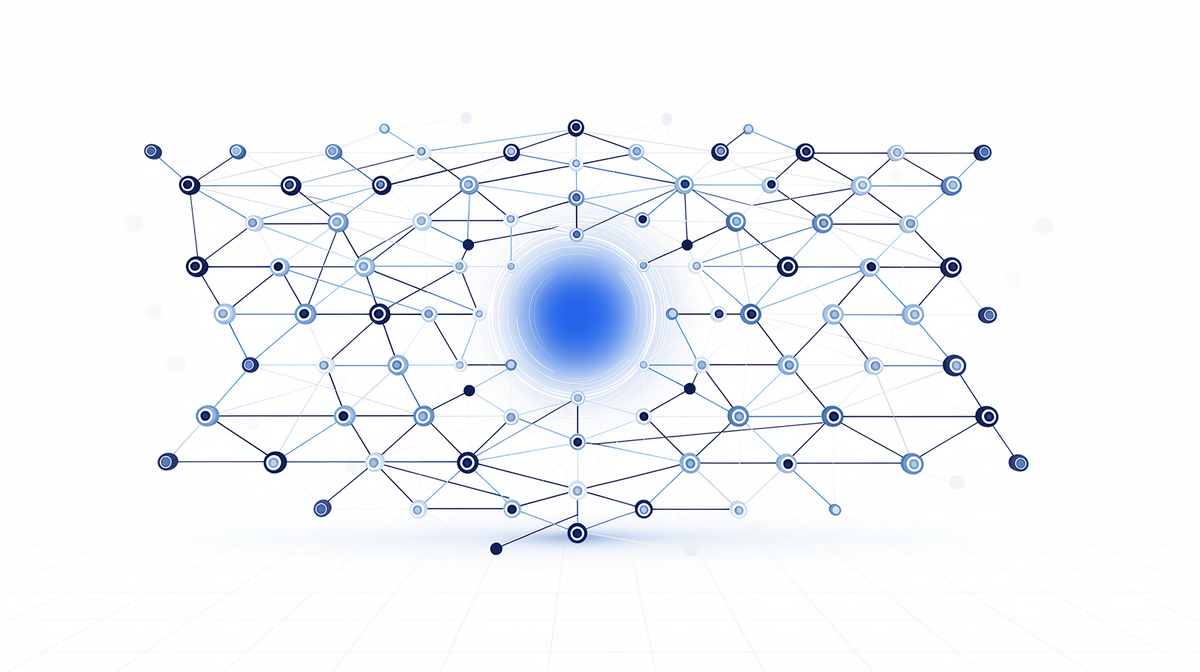
The future is a distributed digital ecosystem. Not a distant vision. Practical today. At its heart sits a Unified Namespace (UNS): a structured data hub that is the single source of truth for current operational data.
In this model:
- Operational data (from machines, sensors, and processes via OPC-UA, MQTT, and the like) is published to the UNS.
- Specialised apps (planning, analysis, visualisation, AI) read from the UNS and publish their results back.
- The ERP becomes one important node. It reads what it needs for its core tasks, like production confirmations for cost accounting, and publishes what other systems need, like orders and master data.
ERP stays essential for what it does well: finance, administration, HR, master data. It just no longer dictates the architecture or caps what operations can do. Platforms like the United Manufacturing Hub (UMH) give you an open-source way to build this.
Long live ERP, in its new role
So the title holds. ERP's dominance as the all-encompassing centre is over. ERP itself lives on, once it accepts its new role: a specialised, administrative node inside a broader, data-driven ecosystem built for modern production.
What this means for your business
The question is no longer which ERP to buy as a replacement. It is how to build a future-proof digital landscape. Ask yourself:
- Which administrative processes stay the ERP's core job?
- What operational data do you need, and how do you get at it, towards a UNS?
- Which specialised tools (planning, BI, quality) complement the ERP?
Focus on components, data flows, and open standards. Work with machine suppliers who will give you structured data.
Further reading
- The 10 Best ERP Software for Metalworking, an independent comparison of the top 10 ERP systems worldwide.
- Why ERP No Longer Needs to Be the Center of Your Factory, how a smart structure restores clarity without replacing your entire system.
The next evolution is here: UNS + AI
The era of the monolithic ERP is ending. That is my conviction, based on what I see daily in manufacturing. The future is flexible, distributed ecosystems where data flows freely and every component, ERP included, does what it does best.
The building blocks are ready: a Unified Namespace as your single source of truth, MES for what happens on the shop floor, and AI to help you build, connect, and automate what used to need expensive consultants. Together they give your company the agility, intelligence, and scale to succeed, without depending on one vendor.
Want to get the architecture right before choosing or replacing ERP?
I help metal manufacturers worldwide design the digital structure first, so every tool, including ERP, does exactly what it is good at. Independent advice in English, Dutch, and German.
Get in touch, no obligations
I wrote about this before: