The 10 Best ERP Software for Metalworking (2026)
I rank the ERP systems worth evaluating for a metal fabrication business in 2026, with picks by shop size. The guide covers what a metal shop needs from an ERP, from bills of materials to remnant tracking, and how I would start the search. I sell none of them.
Have you ever gone searching for a new ERP system for your metal fabrication business?
If so, you know how that goes. Every vendor claims the perfect solution, and meanwhile you have heard the horror stories of implementations that ran over budget and under expectations.
So, what do you do?
You start with an independent view. This guide gives you my recommendations by shop size, the systems worth your evaluation time in 2026, the lens I use to judge them, and how I would start. I have spent more than a decade implementing and integrating these systems in metalworking, and I sell none of them.
I wrote about this before:
My favourites for 2026
You came for the answer, so here it is first. The reasoning follows below.
SMALL AND MIDSIZE, DISCRETE: Odoo. Odoo is booming right now, and for good reason. It is open source and modular: you start with the apps you need, accounting included, and the same database grows with you into quoting, inventory, and manufacturing. The Community edition is free to self-host, and the current release wove AI assistance through the apps. For a discrete shop that takes digitalization seriously, this is where I would start looking.
FROM ROUGHLY A HUNDRED PEOPLE UP: Microsoft Business Central. Full accounting, a huge partner network, and its own quality management and subcontracting extensions these days, plus AI agents that handle payables and expenses on their own. Two things to know: the agents run in the cloud version only, and metal specifics still come from partner apps. It is an ecosystem decision as much as a product decision.
MY RUNNERS-UP THIS YEAR: Carbon and ERPNext. Two open challengers earned their place. Carbon is an API-first ERP, MES and QMS in one system, the most AI-native option on this list, community-driven and built by a smaller team. ERPNext is a fully open-source ERP whose recent releases made it a serious option for small manufacturers. Both are in the list below.
ALSO ON THE MAP: Infor. M3 and its CloudSuites are made for multi-site, international manufacturers. For a single-site shop it is usually more system than you need. At that scale, it earns its place.
And SAP? You meet it less and less in this segment. Business One keeps improving, but for a midsize metal shop it rarely leads the shortlist anymore, and its production depth depends on partner add-ons.
What is an ERP, really?
Enterprise Resource Planning is a category label, not a requirement. Underneath the label sits a function: one place that holds the records of your business. Quotes, orders, purchasing, invoices, inventory, the books. ERP grew out of accounting and material planning, and that is still its home ground.
That gives you the one fixed anchor in every ERP discussion: accounting you can never escape. Invoices must go out, purchases must be recorded, and the tax authorities want numbers. Everything else is modules around that core, and increasingly you can compose those modules from separate tools instead of buying them from one vendor. I regularly connect a production system to standalone accounting software, and both do what they are best at.
What metalworking needs from it
On top of the record-keeping core, a metal shop needs:
- Bill of Materials (BOM) with assembly support, and relationships between materials and operations, or your CAM integrations will hurt later
- Routing for the processing steps: cutting, bending, welding, machining, coating
- CAM integration capabilities
- Remnant material management for sheets, bars, and tubes
- Serial number tracking for traceability
One more thing before the demos: vendors often bundle MES-style shop-floor modules with their ERP. There is real overlap between the two, so decide the production layer separately. My MES guide covers exactly that decision:
The 2026 list
| System | Best for | Open source | Region |
|---|---|---|---|
| Odoo | Small and midsize shops, growth path | Yes (Community) | Global |
| Business Central | Organizations of 100+ | No | Global |
| Carbon | AI-native, ERP+MES+QMS in one | Source public | Global |
| ERPNext | Small manufacturers, fully open | Yes (GPL) | Global |
| Infor M3 | Multi-site, international | No | Global |
| Fulcrum | Cloud-native job shops | No | USA, Australia |
| MRPeasy | Light cloud MRP, easy start | No | Global |
| MKG ERP | Metal-specific package, Benelux and DACH | No | Europe |
| Genius ERP | Custom and engineer-to-order metal shops | No | North America |
| JobBOSS² | Classic make-to-order job and machine shops | No | North America |
1. Odoo
Open source Small to midsize Generic, modular
The Swiss army knife. Odoo covers CRM, sales, purchasing, inventory, accounting, and manufacturing as apps you switch on when you need them, all in the browser. It is generic rather than metal-specific, and that is the trade: maximum flexibility and easy customization, less fabrication depth out of the box.
The manufacturing apps handle BOMs, work orders, routings, and material planning. The community around it is enormous, and the open core means nothing about your data is hidden from you. Any small shop serious about digitalization should spend an afternoon in the free edition. That afternoon tends to become the plan.
🔗 odoo.com · 🎥 Meet Odoo 19 (video)
2. Microsoft Business Central
Cloud suite 100+ people Generic + partner apps
Microsoft's ERP for the segment above Odoo's sweet spot. It plugs into the tools your office already runs, Outlook, Teams, Excel, Power BI, and its partner network reaches everywhere. The 2026 release adds Copilot across the workspace and AI agents that handle payables and expenses on their own, and they live in the cloud version only.
It is not built for metal. You add that with partner apps, and the quality of your implementation depends on the partner you choose. Budget your attention accordingly: the product is proven, the project is where BC implementations are won or lost.
3. Carbon
Source public High-mix, small teams ERP + MES + QMS, AI-native
Carbon is an API-first ERP, MES and QMS in one system, built for high-mix, configure-to-order and contract manufacturing. It is a community-driven product from a smaller team, running in production at a handful of shops so far. The code is public on GitHub, and you can self-host it or use the hosted version.
What sets it apart is the AI angle: an open API, SDKs, and an MCP server, so AI agents can work in your ERP directly. Check the licence for the details: free to use, with a commercial licence for keeping private modifications.
🔗 carbon.ms · 🎥 Carbon Academy (guided tour)
4. ERPNext
Open source Small manufacturers Generic, extensible
A fully open-source ERP from Frappe, carried by a large and active community. The manufacturing module covers what a small shop needs: BOMs with revisions, material planning, work orders with a job card per operation, and a plant-floor screen. Customer-supplied material is a standard flow, which every subcontract shop will recognize.
It is not metal-specific, so CAM links and deeper shop-floor execution mean building your own Frappe apps. On the open, build-your-own route, that reads as an invitation rather than a gap.
5. Infor M3
Cloud suite Multi-site, international Industry CloudSuites
The heavyweight on this list. M3 and the CloudSuites built on it run multi-site, international manufacturing operations, and Infor keeps adding AI orchestration across them. Configurability is the strength, and it asks for a team that can carry a system of this size. Its sibling Infor LN is the more discrete and engineer-to-order oriented of the two, so weigh which Infor line fits the work you actually run.
If you run one factory, look lower on this list first. If you run five in three countries, start here.
6. Fulcrum
Cloud SaaS Job shops USA and Australia
A cloud-native system for job shops and custom fabricators, with real-time production tracking, a strongly visual scheduler, and its own AI assistant, Archie. The 3D shop-floor apps are genuinely modern, and users praise the support.
Two limits to know: customization is narrower than the open options, and availability is mainly the US and Australia.
7. MRPeasy
Cloud SaaS Small shops Easy start
The easy start. MRPeasy is a lightweight cloud MRP and ERP that a small team can set up without a consultant: inventory, production scheduling, purchasing, and an AI assistant of its own. It connects to the common accounting and e-commerce tools.
It is deliberately simple. If your processes are heavy on engineering changes or advanced costing needs, you will feel the edges. For a small shop leaving spreadsheets, it is a clean first system.
8. MKG ERP
Industry package Metal-specific Benelux and DACH
The one metal-specific package still on my list, and I say that sparingly. MKG, part of the German ProAlpha Group, is built for metalworking, with clear screens, local Benelux and DACH support, and a Lantek CAD/CAM interface via partner.
I wrote about this before:
It sits at the end of the list for the same reason every closed industry package does: openness. Before you commit, check what you can extract, what you can write back, and what leaving would take.
9. Genius ERP
Industry ERP Custom and ETO North America
Genius ERP is a manufacturing ERP built for custom and engineer-to-order shops, made by Genius Solutions in Canada. It runs in around a thousand organisations, most of them North American custom and engineer-to-order metal fabricators, and the company folded in CDID and Prextra through a 2025 acquisition. It is available in both cloud and on-premise deployments.
The system is organised around the quote-to-ship path for one-off and made-to-order work, with engineering, production planning, inventory, and accounting in one place. It fits a custom or ETO metal shop whose jobs rarely repeat and whose estimating and engineering sit at the front of every order.
🔗 geniuserp.com · 🔗 Product overview
10. JobBOSS²
Cloud ERP Make-to-order job shops North America
JobBOSS² is a cloud job-shop ERP from ECI Software Solutions. It is the successor that consolidates the company's legacy JobBOSS and E2 SHOP lines into one product, offered as multi-tenant SaaS, private hosted cloud, or on-premise. The design is shop-floor-first, centred on quoting, job costing, scheduling, and inventory.
It fits classic make-to-order machine and job shops that run high-mix, low-volume work and want an established package rather than a build-your-own stack. Modular add-ons cover pieces like a BOM builder and a shop-floor execution layer.
🔗 ecisolutions.com/products/jobboss2
Notable mentions
Names you will meet that I did not review in detail this round:
Ridder iQ: an ECI product established in European job shops, focused on the Benelux and Dutch market, and covered in my Dutch-market edition.
SAP Business One: covered in the favourites section above.
And of course: nowadays plenty of shops vibe-code parts of the function themselves. With AI coding tools and an open backend, a job tracker or a purchasing workflow is a weekend project. The open stack makes that a real option:
How to choose: ownership over money

When shops compare systems, the conversation drifts to money. Wrong lens. The numbers are relative, and every serious vendor will quote you one. The question is ownership and effort: how much work is it to have this system, to expand it, to integrate it, to maintain it? Who owns the data, and what happens on the day you leave?
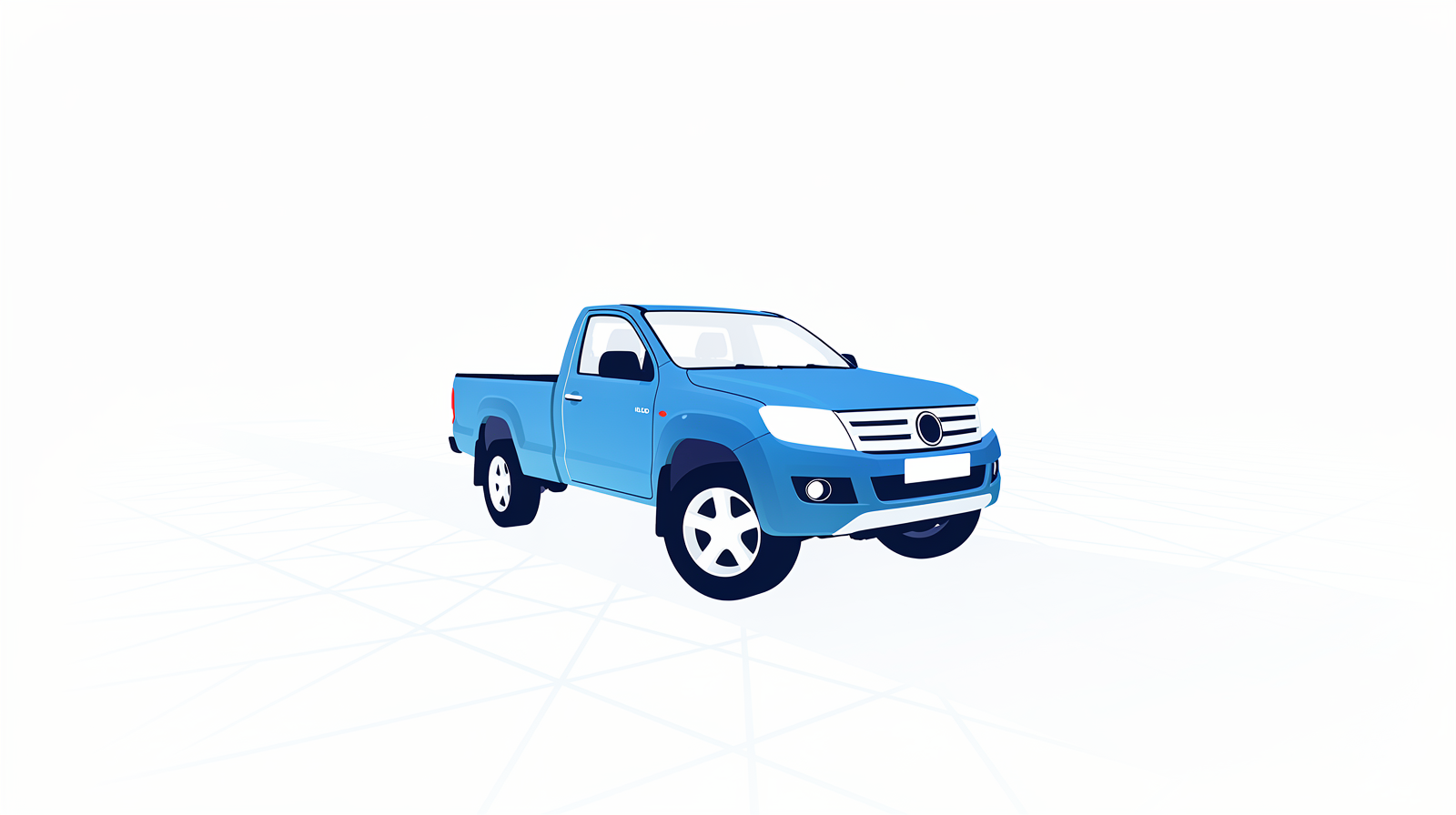
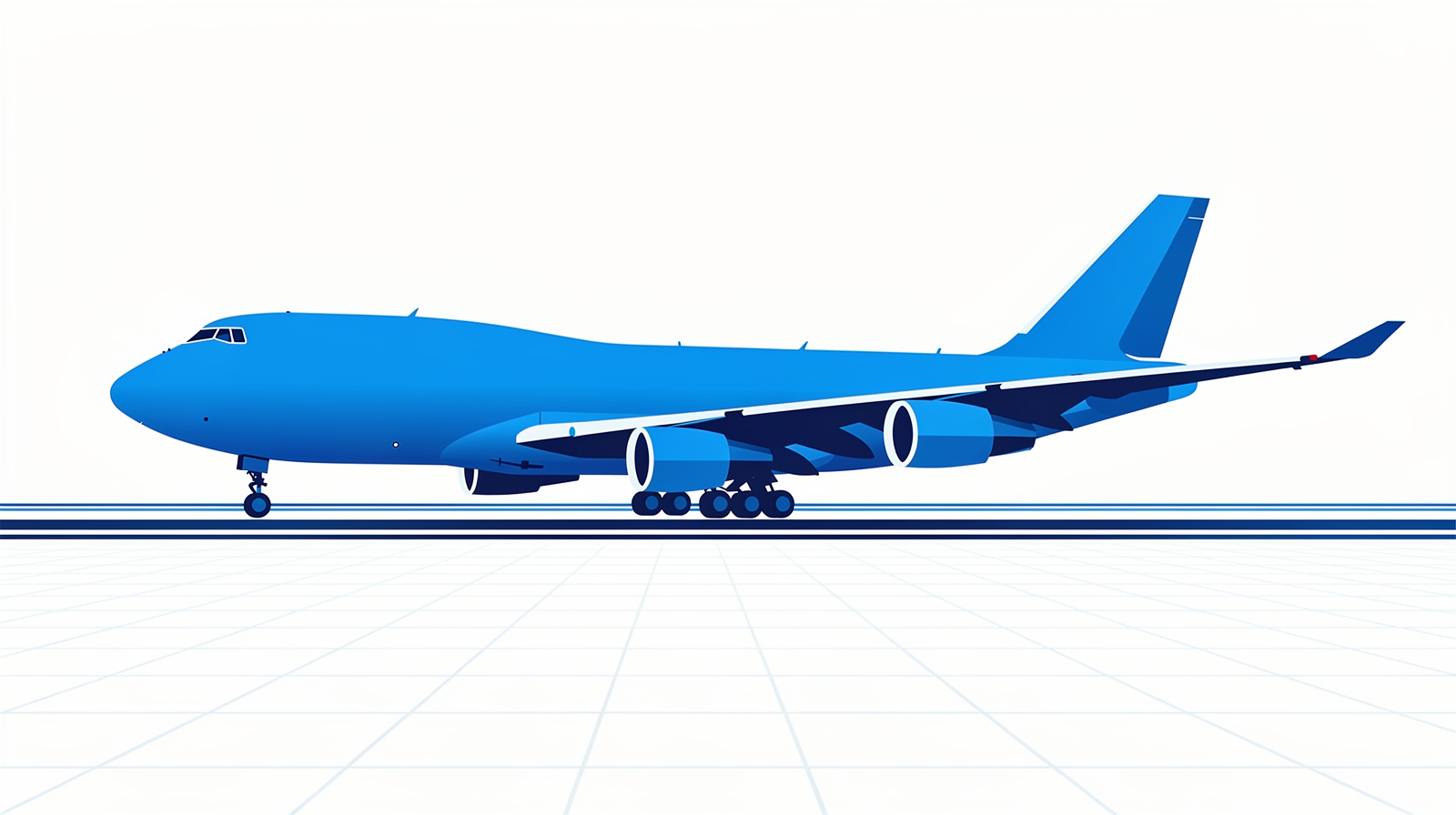
Or as I ask it in projects: do you need a pickup truck, a shipping truck, a jumbo jet, or a space shuttle? Every vehicle on this list is right at its own size. The mistake is buying the space shuttle to fetch groceries, then bending your shop around it.

Concretely, put these on the table with every vendor:
- Data out: can you read your own data in real time, through a documented API, without asking permission?
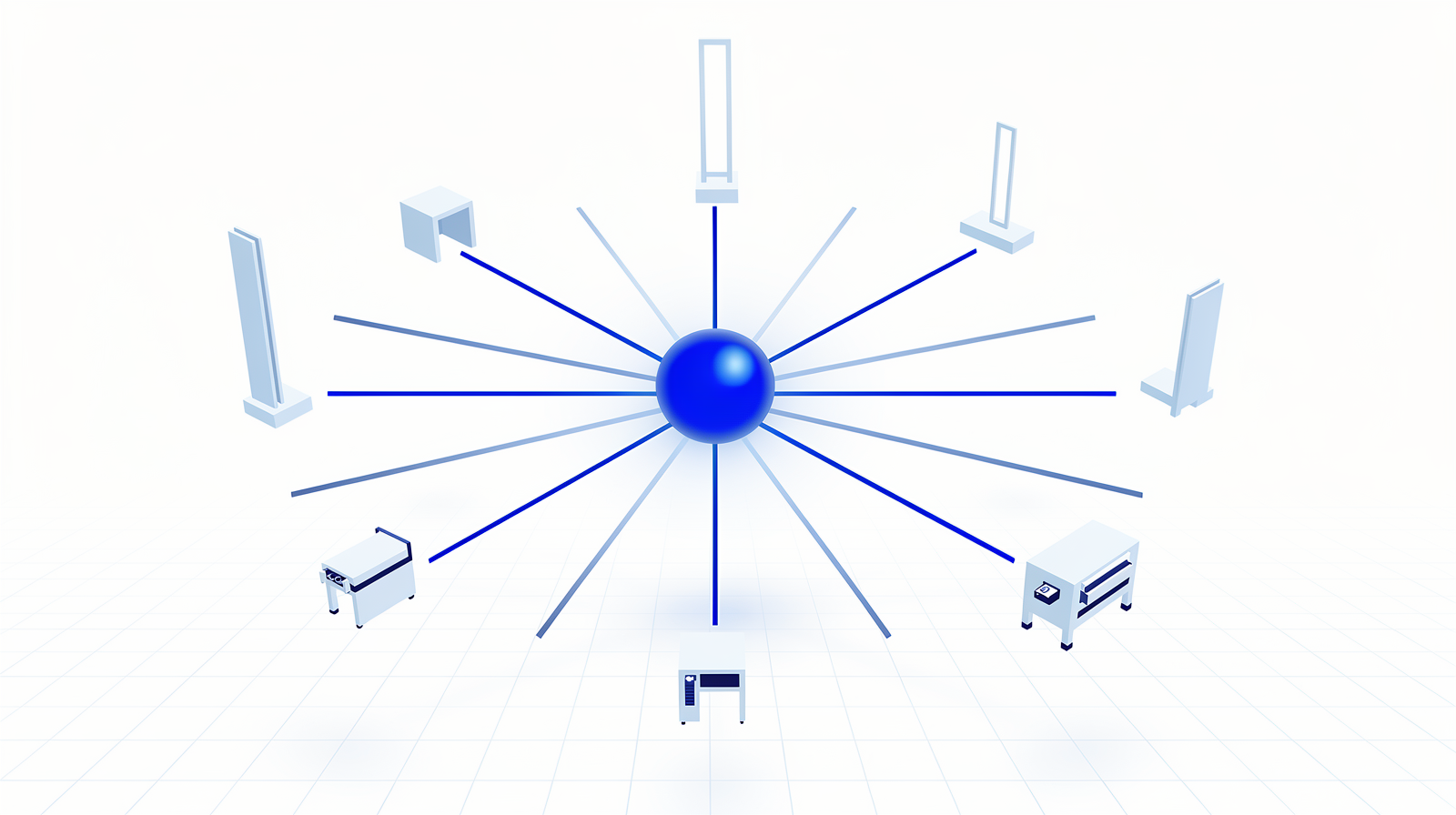
- Data back in: can other systems write to it, so it plays as one node among several?
- Integrations: are there proven connections to your CAD, CAM, and production layer, and what does using the API take?
- The exit: if you walk away in five years, does your data walk with you?
- Do they know your shop: was it built with metalworking in it, or does a generic product need a specialized partner?
And always try before you buy. Any good vendor gives you a demo instance or a trial. If the flow only makes sense after heavy customization, treat that as a warning.
Start like a speedboat
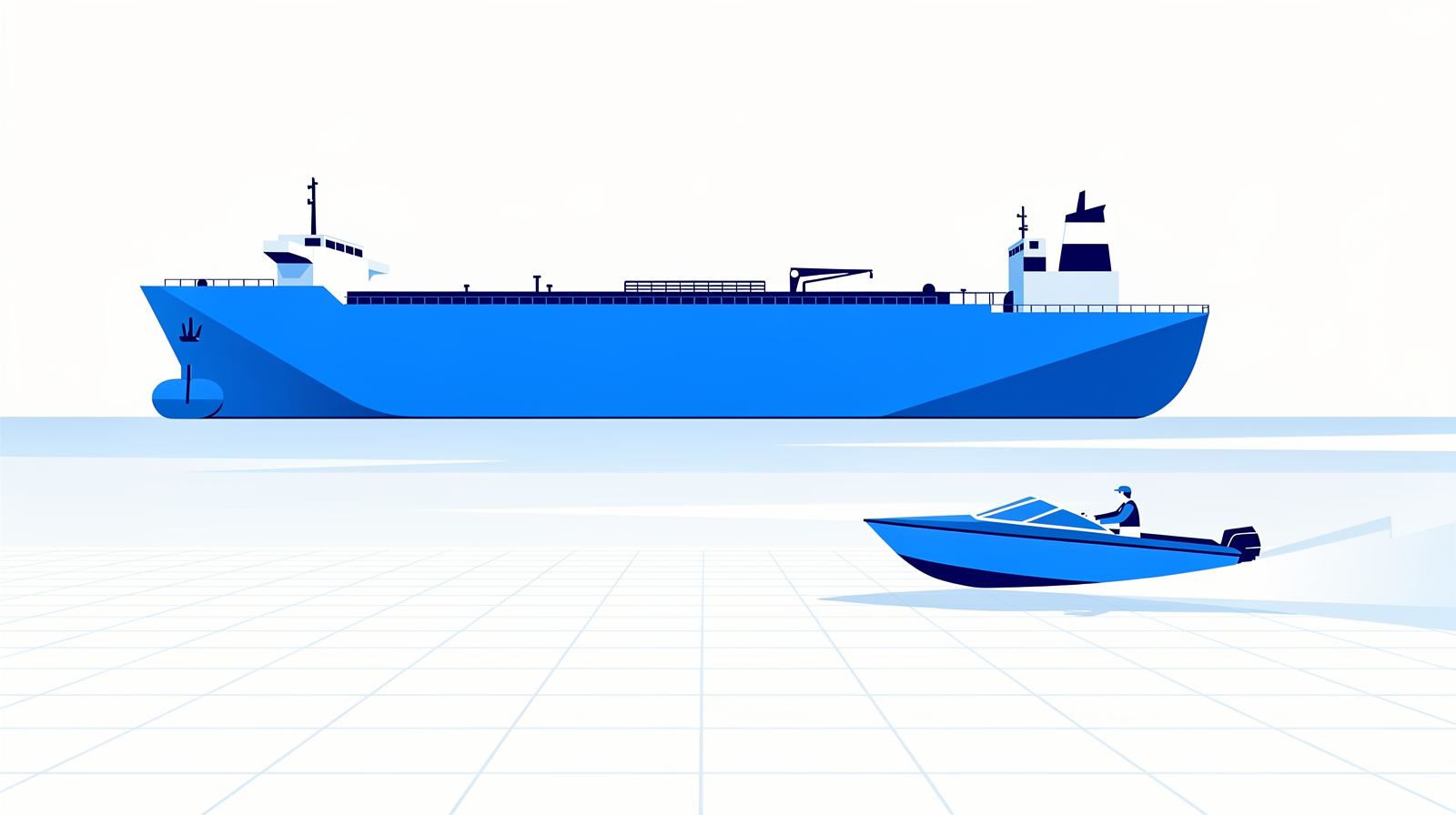
ERP implementations have a reputation for taking too long and disappointing. That usually happens when a company tries to replace everything at once: the oil tanker approach, one giant slow turn that must not go wrong.
Be the speedboat instead. Pick the one process that hurts most, run a pilot on it, and iterate fast while the existing business keeps running. You learn what your shop actually needs before the big commitments, and the lessons steer everything after. A pilot of weeks beats a plan of years.
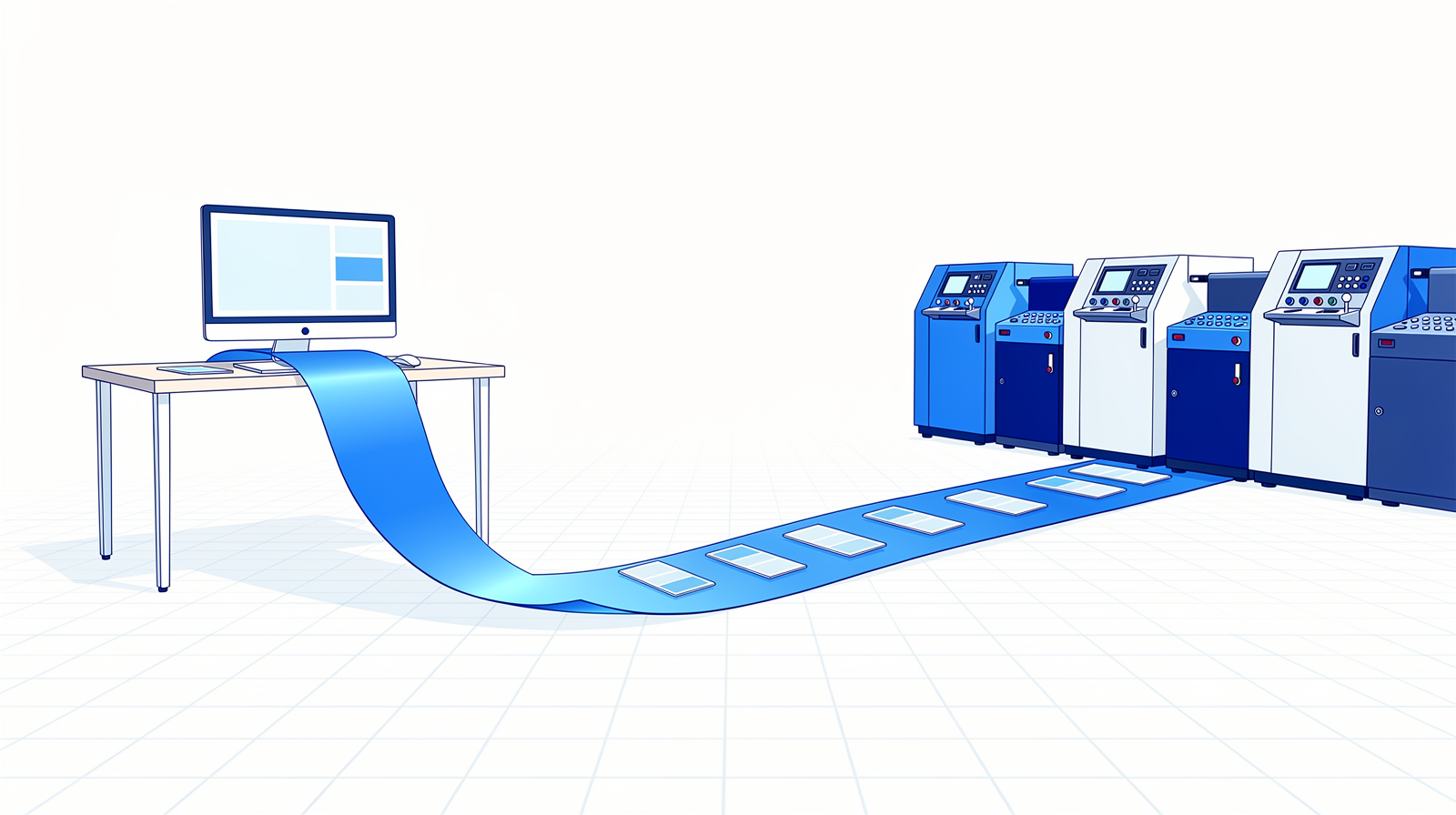
And remember what an ERP will not do: it solves administration. If your machines are not connected and your shop floor runs on paper, a new ERP changes very little. Connect the floor first, then let the ERP do its part:
The changing role of ERP in 2026
The all-in-one package is giving ground. The market is moving to modular, API-first platforms with AI inside, less and less a fixed, proprietary, closed program.
You can see it in what the vendors themselves ship. Microsoft has agents that process invoices and expenses on their own. Odoo wove AI assistance through every app. Infor built an orchestrator that coordinates its industry agents. Even the small-shop tools carry assistants now. Every vendor is racing to put AI inside the platform.
Which raises the question that matters more than any feature list: does that AI work on your data, in your deployment, and does any of it leave with you if you switch? AI inside a closed box is still a closed box.
In practice, your ERP becomes one system among several, connected through your data, instead of the center everything must bend around. The shops getting ahead treat it exactly that way: a strong node for orders and the books, on a data foundation they own.
Questions I get about ERP in metalworking
Can I switch ERP without losing my history?
Should I pick my ERP before connecting my machines?
Is open source safe for a company our size?
How long does an implementation take?
Do I need a metal-specific ERP?
The point is
There is no best ERP. There is the best fit for your size, your processes, and your appetite for ownership. Start from the problem you are solving, pick the vehicle for your load, demand openness, and pilot like a speedboat before you commit the fleet.
And get the order right: most ERP projects fail on the structure underneath the package. Sort your data architecture first and any system on this list will serve you better. That architecture-first work is exactly what my services cover.
Which system is on your shortlist, and what tipped it? Tell me, I read every reply.